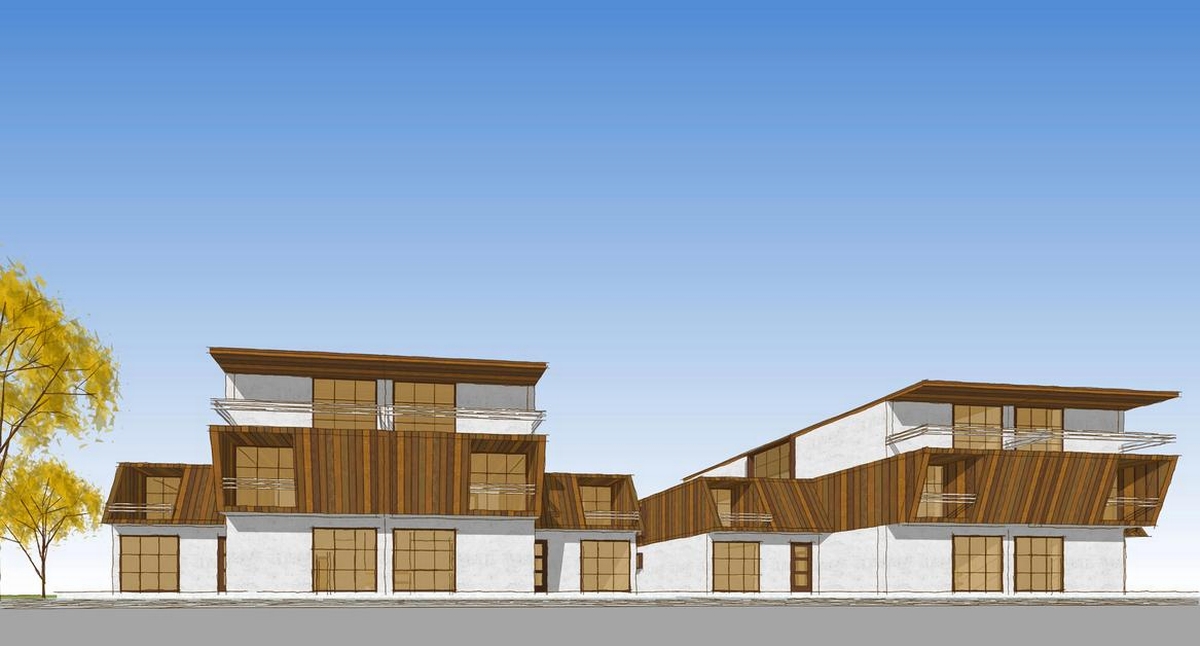
Mixed-Use Construction: Uses, Planning, and Development
If you're strolling through modern urban landscapes, you've likely noticed a growing trend. Buildings seem to be more than just homes, offices, or shops. They're a blend of all three and more, a concept known as mixed-use construction. As our cities grow and evolve, mixed-use construction has become a cornerstone in urban development, offering sustainable, functional spaces that cater to a variety of needs. It's not just about constructing buildings - it's about building communities. In Monroe, mixed-use projects are reshaping neighborhoods to create seamless living, working, and recreational environments. This aligns well with initiatives like home remodeling in Monroe, emphasizing community-focused and lifestyle-enhancing development.
Mixed-use construction has gained momentum as people seek proximity, convenience, and connectivity in their daily lives. From reducing commute times to fostering economic diversity, these developments are more than architectural trends - they're practical solutions to modern urban challenges. In this blog post, we'll explore the essential components of mixed-use construction, its strategic planning, and the developmental steps involved in bringing these multi-functional spaces to life.
The Versatility of Mixed-Use Construction
What makes mixed-use construction so versatile? The answer lies in its inherent design to serve multiple purposes within a single footprint. Rather than separating spaces into distinct residential, commercial, or industrial zones, mixed-use projects integrate these elements. This integration can result in innovative designs that enhance the functionality and appeal of the spaces. Imagine living in a place where your home, office, favorite coffee shop, and grocery store are all just an elevator ride away. That's the essence of mixed-use spaces.
These constructions not only cater to diverse needs but also stimulate local economies. By attracting a varied group of individuals, residents, entrepreneurs, and tourists, mixed-use buildings enhance neighborhood vibrancy. Additionally, mixed-use development supports sustainability by reducing transportation needs and encouraging walkability. As more cities adopt this model, the impact on community growth and ecological footprint can be profound.
Strategic Planning in Mixed-Use Construction
How do developers approach mixed-use construction projects? The process begins with detailed planning and community engagement. Before the first brick is laid, developers must understand the dynamics of the area, the needs of its residents, and how the project can integrate seamlessly into the existing environment. It's not just about building something new - it's about enhancing what already exists.
Site selection plays a crucial role, as developers seek locations with untapped potential or areas ripe for revitalization. Once a suitable site is identified, zoning laws and permitting processes must be navigated. These legal and regulatory obstacles are intricate, often requiring collaboration with city planners and community stakeholders to ensure alignment with urban development goals.
Architects and urban planners work closely together to design spaces that balance residential, commercial, and recreational uses. Their common goal is to create environments where elements complement each other, fostering a sense of community and belonging among occupants.
Challenges and Opportunities in Development
While mixed-use construction projects offer many benefits, they come with their own set of challenges. Coordinating different construction needs within a singular project can be complex. Balancing the distinct requirements of residential and commercial spaces demands meticulous planning and execution.
Budgeting is another critical aspect. Developers must balance cost-effectiveness with high-quality construction, especially in frequently updated sectors like energy efficiency and green building practices.
Despite these challenges, opportunities abound. As urban areas continue to grow, the demand for mixed-use spaces only increases. Developers who successfully navigate the complexities of mixed-use projects often find themselves at the forefront of urban innovation.
A key strategy involves utilizing advanced design and construction technologies. For instance, employing Building Information Modeling (BIM) can improve project efficiency and reduce errors, ensuring that complex multi-use structures are executed flawlessly.
A Look at Successful Mixed-Use Projects
To see the benefits of mixed-use construction in action, consider notable examples across the country. Cities like New York, San Francisco, and Portland have embraced these projects to manage population growth and urban sprawl effectively. Monroe is also witnessing the rise of these transformative spaces, where carefully crafted projects enhance the city's charm and functioning.
A successful mixed-use development might accommodate residential apartments above retail shopping and dining establishments. Office spaces can be interwoven with community facilities, like gyms or libraries, to encourage a diverse and vibrant daily life for residents and workers alike. Moreover, considerations for green spaces can turn these urban oases into welcoming retreats in the heart of a bustling city.
Sustainability in Mixed-Use Developments
One critical component of these projects is sustainability. By their nature, mixed-use constructions lend themselves to eco-friendly practices. Energy efficiency, sustainable building materials, and water conservation technologies are just a few of the strategies employed to minimize environmental impacts.
A crucial step in promoting sustainability is designing spaces that encourage walking or cycling, reducing the reliance on vehicles. Urban developers often incorporate public transit options to connect these spaces efficiently, further minimizing carbon footprints.
The communal living concept also plays into sustainability, as shared amenities reduce individual resource consumption. For instance, a central heating system serving multiple mixed-use units is often more energy-efficient than individual ones for each unit.
Mixed-Use Developments in Monroe
Monroe's urban development landscape is increasingly embracing mixed-use construction. Recognized for revitalizing communities and boosting local economies, these developments are enhancing Monroe's appeal. They offer vibrant hubs where people work, live, and play, contributing to a better quality of life.
Mixed-use construction embodies modern, integrated living, showcasing visionary thinking. These projects, aligning with community-focused initiatives like window replacement in Monroe, exhibit TruHome's commitment to sustainable and innovative construction practices. By fostering a sense of place and belonging, these neighborhoods set the stage for urban living.
Ready to Transform Your Lifestyle with TruHome?
Monroe stands on the brink of an urban renaissance driven by innovative projects like mixed-use construction. These developments offer more than just homes or spaces - they create communities. TruHome, a leader in the construction and remodeling industry, is at the forefront of this transformation, breathing new life into urban areas with projects that blend residential, commercial, and social spaces seamlessly.
TruHome offers exceptional services across a range of projects. Partner with us to bring your vision to life, combining practicality with creativity to redefine urban living. Contact TruHome today, and let's build spaces that matter to the communities we serve.
Recent Posts
-
How to Prevent Roof Leaks and Protect Your Home Long-Term
October 17, 2026
-
How to Find a Roof Leak Quickly and Accurately
October 15, 2026
-
How Long Does It Take to Remodel a Home?
October 03, 2026